

Florida Eyelid Surgery, Blepharoplasty Florida, Orlando Upper Eyelid Surgery, Roger Bassin MD, Upper Eyelid Florida, Blepharoplasty Orlando, Melbourne Florida Eyelid Surgery
Upper Eyelid Surgery
Upper Eyelid Blepharoplasty Description
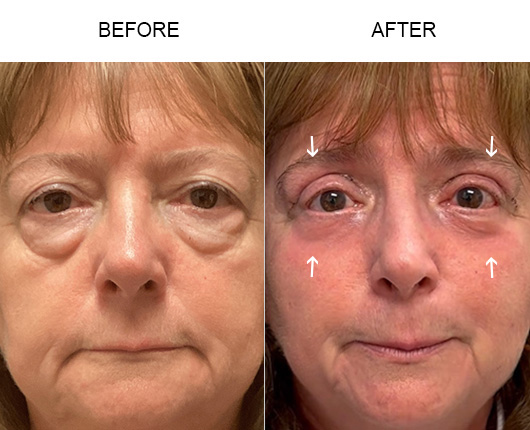
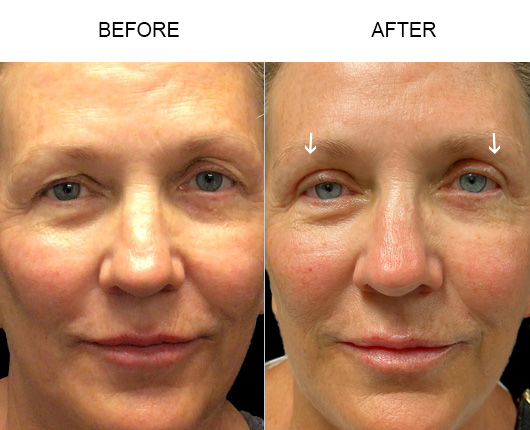
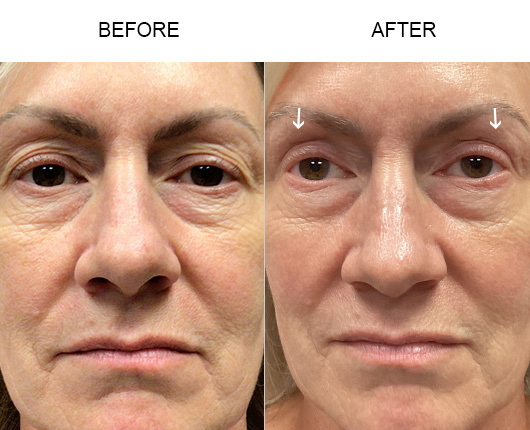
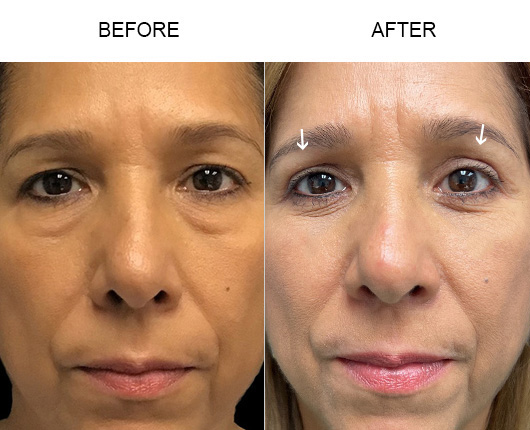
As time advances, the elasticity of the upper eyelid reduces, producing excessive upper eyelid skin and muscle. Often times, the natural fat that protects the area behind the eye protrudes forward and the fine tissue layer responsible for keeping the fat pads in their proper anatomical space weakens. The result is an often tired appearance with excessive upper eyelid skin, fat and muscle giving a "droopy" look. The most common complaints are one of a tired appearance of the upper eyes, heavy upper eyelids, an inability to wear makeup in the upper eyelids because the makeup often smudges in the excess skin, and a diminished natural eyelid crease. Often times, eyebrow droop can add to the excessive eyelid skin. Some patients develop such a severe condition, that the skin actually hangs over the eyelashes, causing a reduction in vision. This can be filed under your insurance as a medical condition. This must be differentiated from true eyelid droop (or ptosis), a condition in which the actual eyelid hangs down, causes a reduction in vision, and is also deemed medically necessary by common insurance providers.
Upper Eyelid Blepharoplasty Procedure
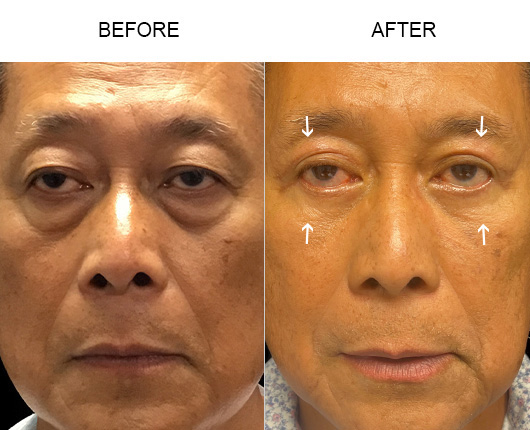
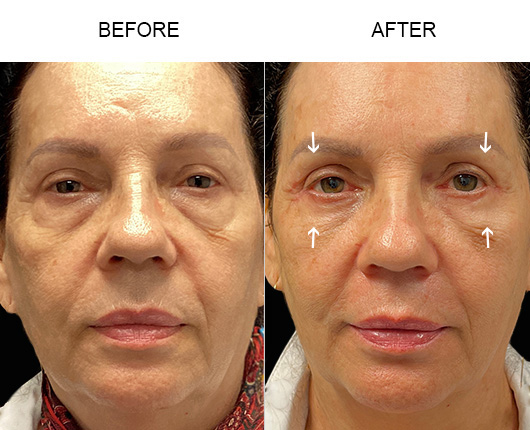
An upper eyelid blepharoplasty surgery restores a natural upper eyelid crease while excising the excessive skin, muscle, and fat that has developed over time. The surgery incisions are hidden in the natural eyelid crease so that when the eyes are open there is no visible scar. Natural eyelid creases tend to be higher in women than in men, and Dr. Bassin precisely reconstructs the natural crease to give the most natural-looking result. The procedure takes approximately one hour and patients should expect to have bruising and swelling for up to a week after the eyelid surgery. This surgery can be performed in the office or as an ambulatory procedure in an outpatient surgical facility. After the procedure, Dr. Bassin ensures that ice packs are placed over the eyes to aid in the healing process. Sutures dissolve in three to five days and patients are seen in the office approximately six days after eyelid surgery for their first post-operative appointment. Dr. Bassin also prescribes eye drops and eye ointments to aid with any dryness of the eye that may develop in the first two to four days post-operatively until the skin and eyelids re-establish their normal tone. This procedure can be combined with ptosis (droopy eyelid) repair, and an internal brow lift, which shares a common incision line.
UPPER EYELID SURGERY Before & After
* PATIENTS INDIVIDUAL RESULTS MAY VARY.
How do I get started with Upper Eyelid Surgery?
Dr. Roger Bassin, his doctors, and staff at Bassin Center For Plastic Surgery would be happy to help you set up a private consultation to discuss upper eyelid surgery. You can give us a call at 877.333.3223 or schedule an appointment online for a consultation at one of our Florida locations: Melbourne, Orlando, Tampa, The Villages®.
BASSIN CENTER FOR PLASTIC SURGERY
ORLANDO PLASTIC SURGERY
BASSIN PLASTIC SURGERY
422 SOUTH ALAFAYA TRAIL
SUITE 32
ORLANDO, FLORIDA 32828
407.851.3888
BASSIN PLASTIC SURGERY
422 SOUTH ALAFAYA TRAIL
SUITE 32
ORLANDO, FLORIDA 32828
407.851.3888
MELBOURNE PLASTIC SURGERY
BASSIN PLASTIC SURGERY
1705 BERGLUND LANE
SUITE 103
VIERA, FLORIDA 32940
321.255.0025
TAMPA PLASTIC SURGERY
BASSIN PLASTIC SURGERY
6730 W. LINEBAUGH AVENUE
SUITE 101
TAMPA, FLORIDA 33625
813.872.7800
THE VILLAGES® PLASTIC SURGERY
BASSIN PLASTIC SURGERY
8575 NE 138TH LANE
SUITE 103
LADY LAKE, FLORIDA 32159
352.350.9006
BASSIN PLASTIC SURGERY
8575 NE 138TH LANE
SUITE 103
LADY LAKE, FLORIDA 32159
352.350.9006
GET SOCIAL:


Call Today:
© 2024 Bassin CENTER FOR PLASTIC SURGERY.
ALL RIGHTS RESERVED.MARKETING & DESIGN BY INTERNET INSPIRATIONS
ALL RIGHTS RESERVED.MARKETING & DESIGN BY INTERNET INSPIRATIONS